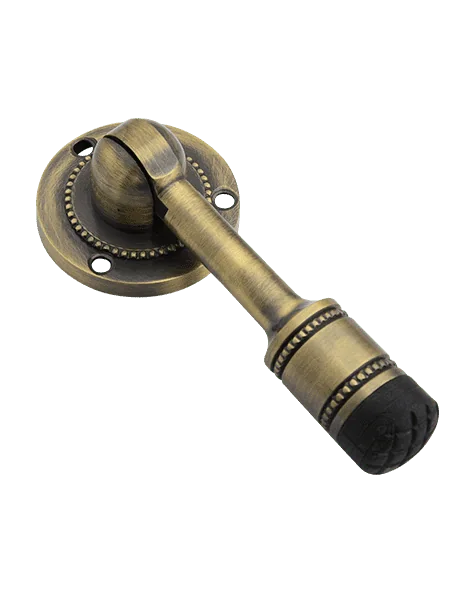
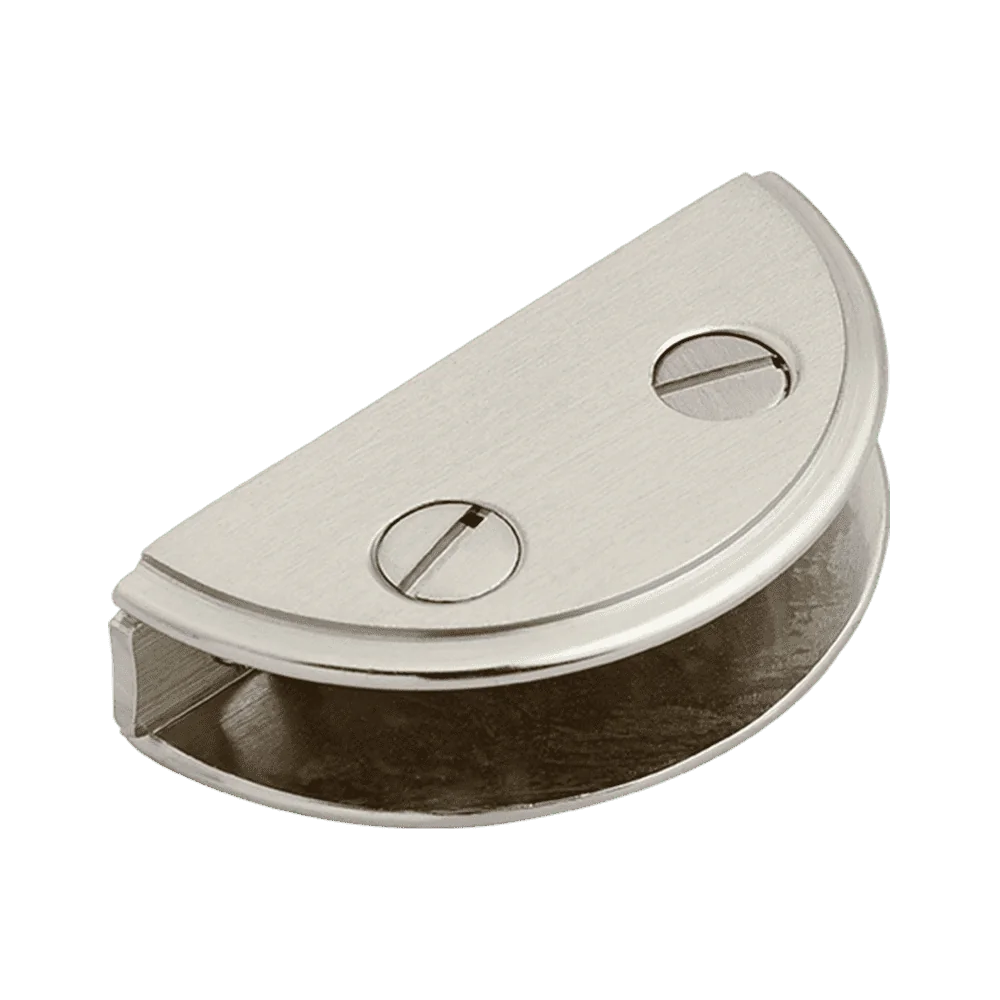
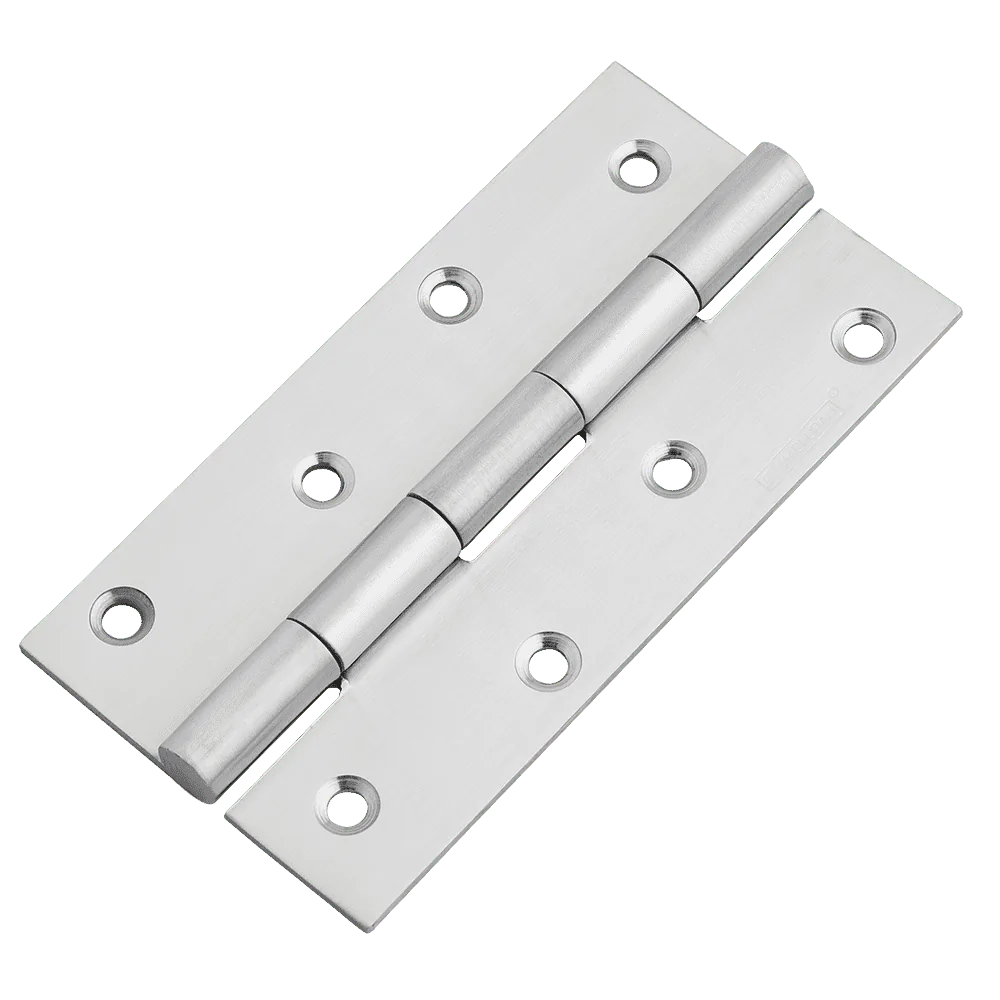
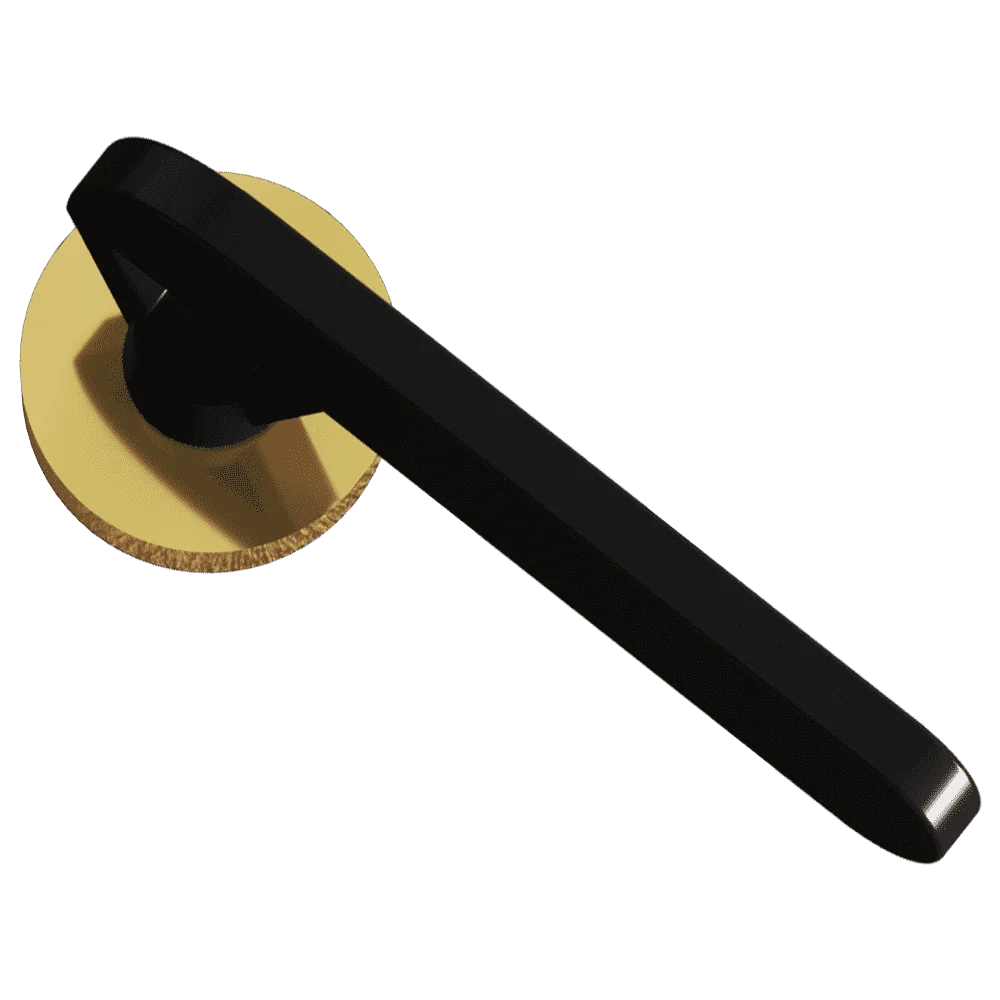
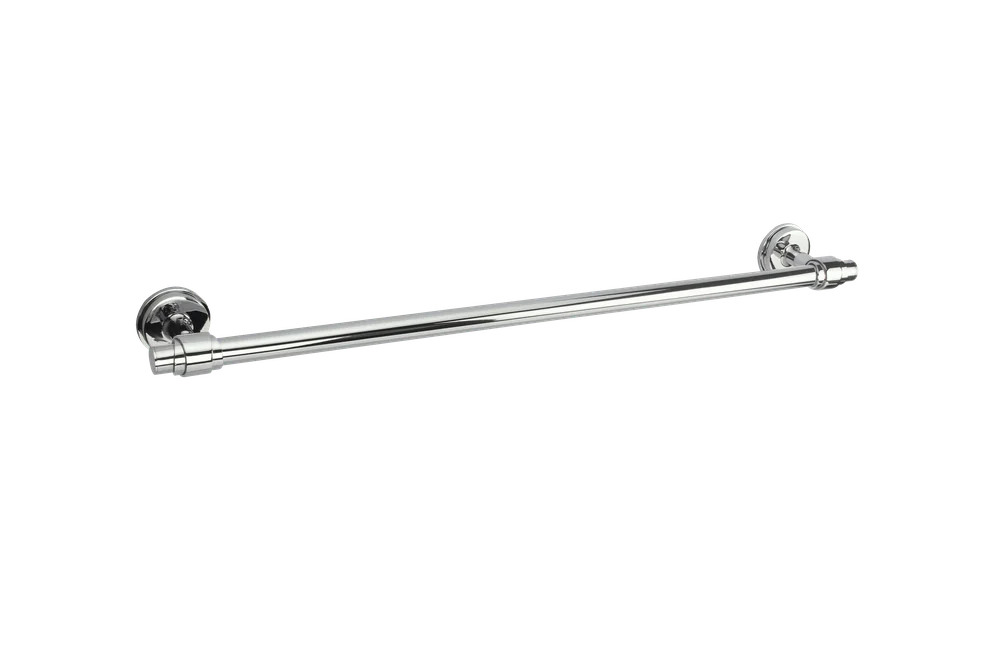
Made in Jamnagar, finished to last.
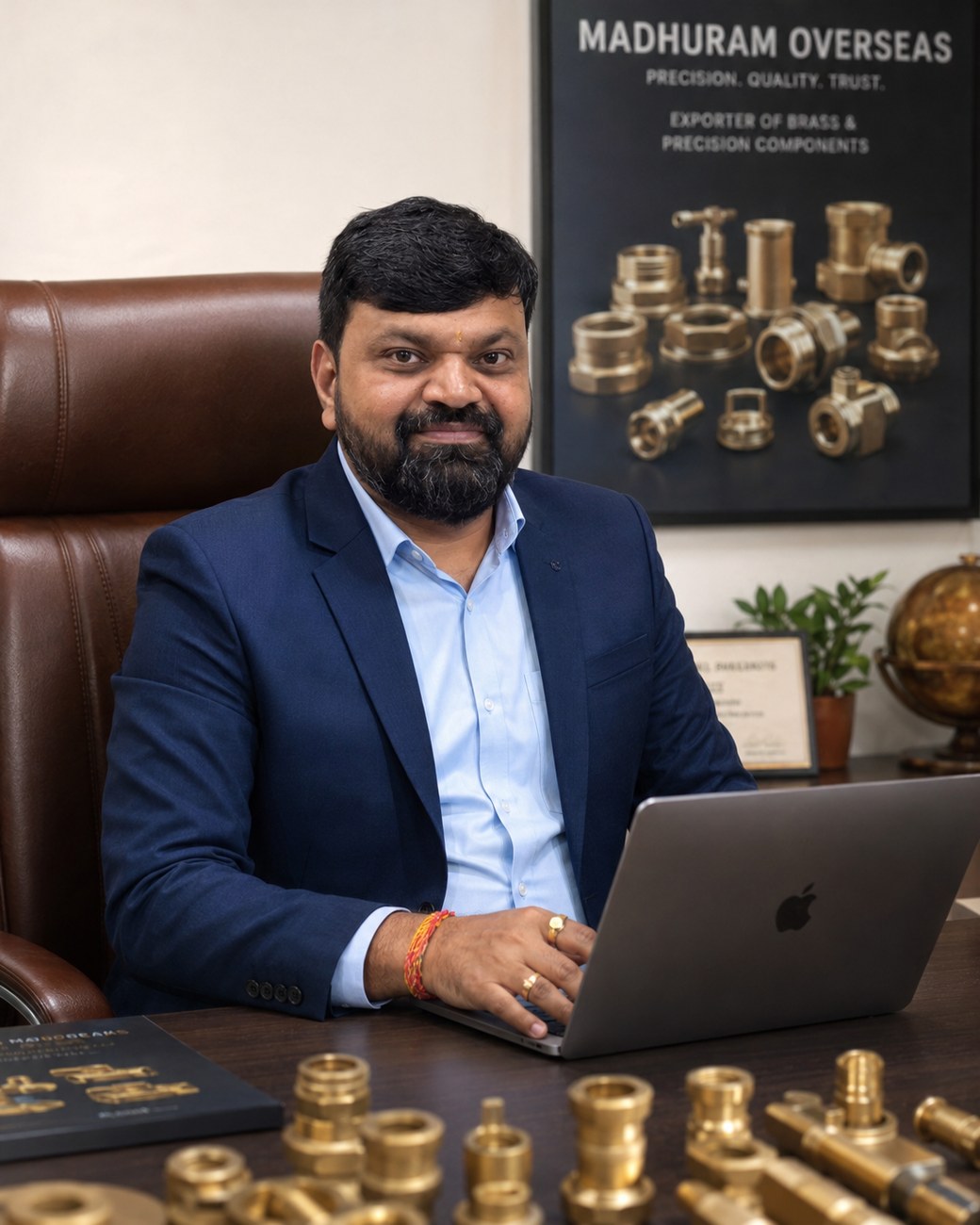
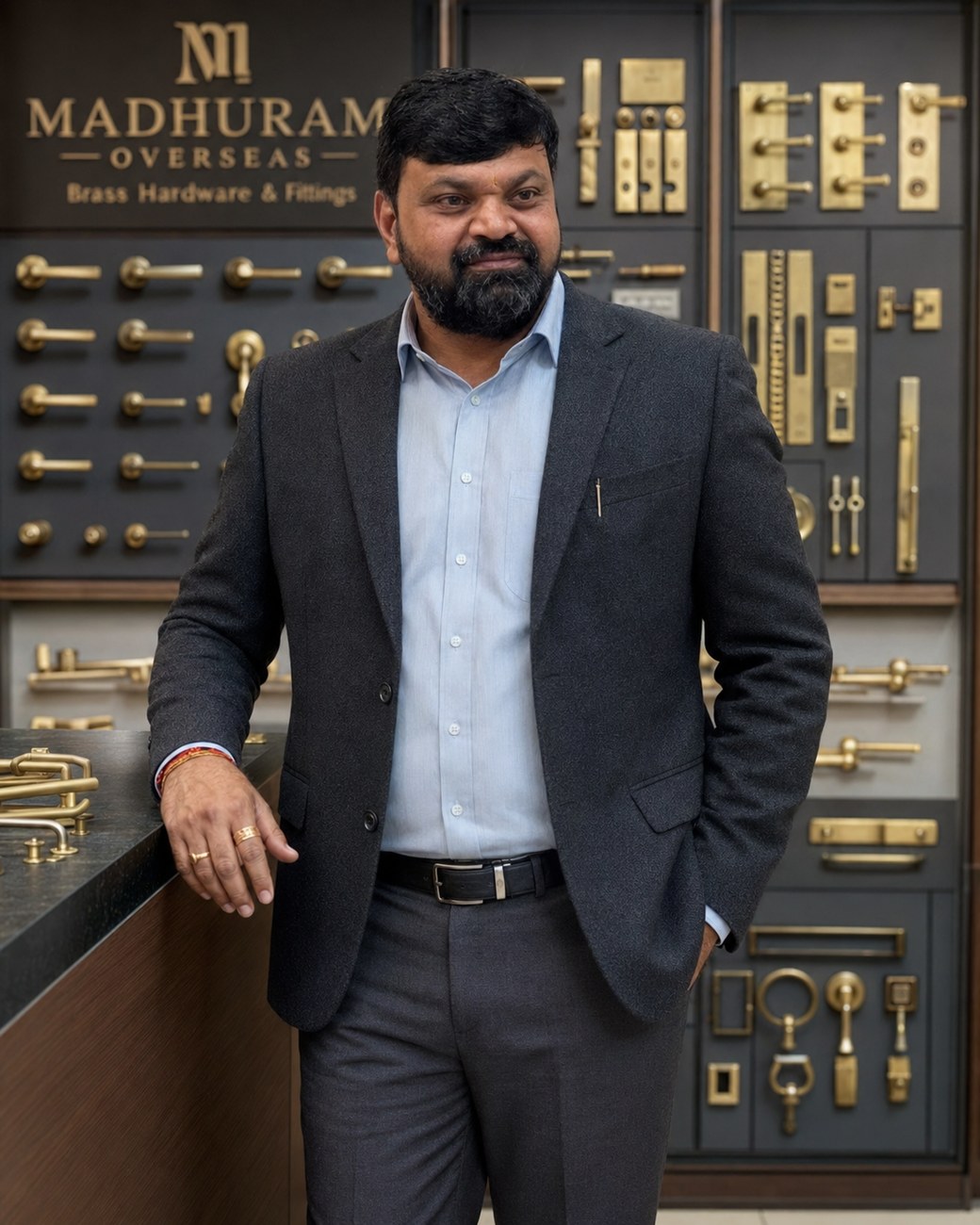
Madhuram Overseas began in 1995 in Jamnagar - a city that has made brass for generations, and that the trade simply calls Asia's brass hub. The firm grew the way the best businesses in that cluster grow: one product, one customer, one shipment at a time, with the family close to the machines and the quality non-negotiable.
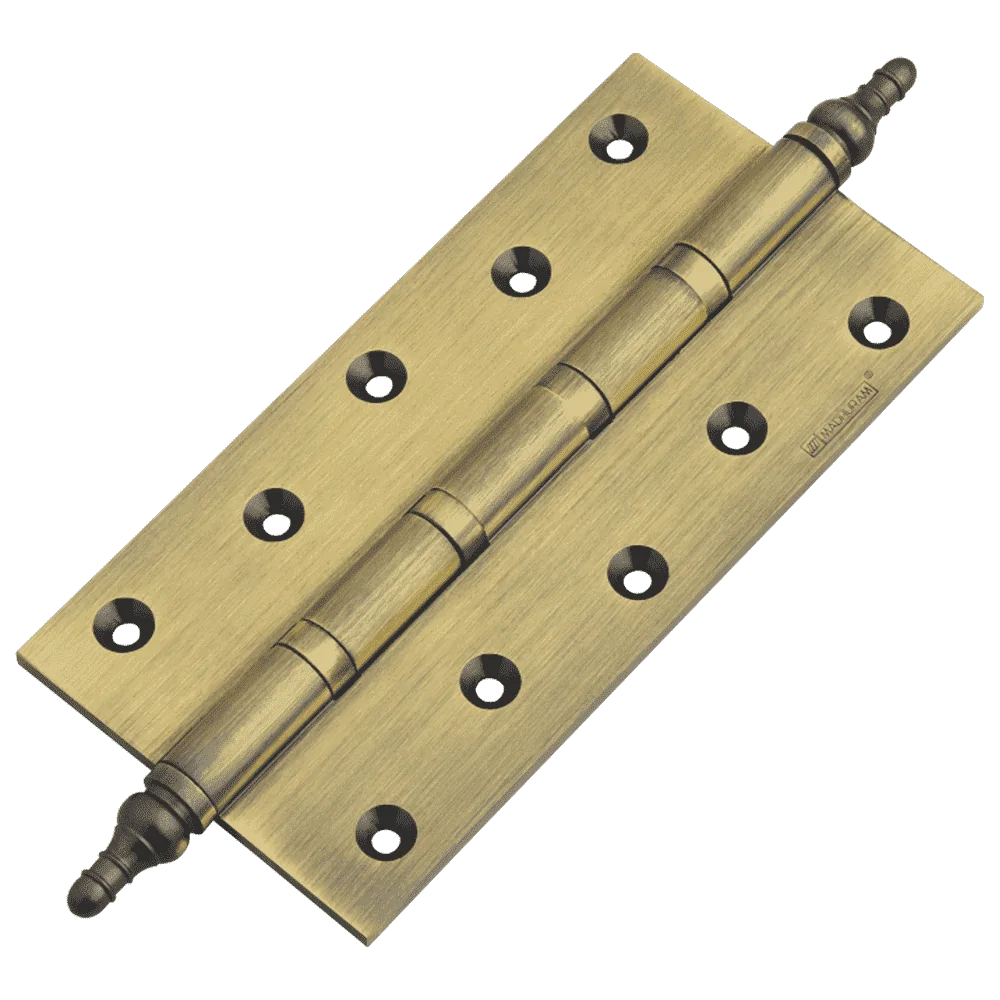
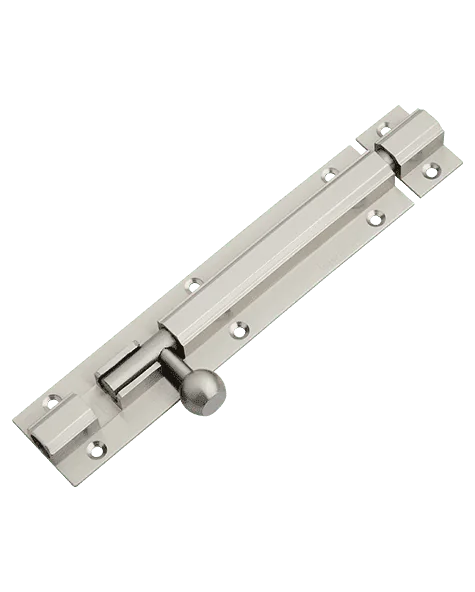
Architectural hardware is an unforgiving category to build a name in. A hinge, a tower bolt, a handle or a lock is touched every single day, judged on feel and finish, and expected to keep working for decades. There is no hiding a shortcut. Madhuram chose to compete on the only thing that lasts in hardware - consistency - and built the capability to back it: a vertically integrated plant, owned machinery, in-house CAD / CAM / CAE design and R&D, and an ISO 9001 quality system that checks the work at every stage.
From that base the firm widened its catalogue to seven collections and roughly a hundred products, won a place with more than thirty hardware brands across India, and opened export markets in the UK, Europe, the Gulf and Africa. The promise never changed from the day it started - simple, unique solutions for every customer, every time.
- 01ManufacturingBrass & hardware, raw material to finished - since 1995
- 02Design & R&DIn-house CAD / CAM / CAE design
- 03QualityISO 9001 - checked at every stage
- 04ExportsUK - Europe - Gulf - Africa
Hardware is judged every single day - by the hand that turns the handle and the door that swings on the hinge. The whole job is making the next piece exactly like the last.
Capital placed on the shop floor.
The way Jignesh thinks about the business reflects the way it was built: the value is in capability, not in cleverness. Capital sits in the plant - the machinery, the tooling, the design bench, the quality system - because in hardware the asset that compounds is the ability to make the same good product, to the same specification, again and again.
Architectural hardware is a consistency business before it is anything else. A brand that puts its name on a Madhuram hinge or lock is trusting that the next ten thousand pieces will be exactly like the sample. Protecting that trust is the whole job - which is why the discipline is vertical integration, in-house design, and quality checked at every stage rather than inspected at the end.
The horizon is long. Brands reorder for years; export customers stay with a maker who never lets the standard slip. The decisions worth making are the ones that protect the next decade of reorders, not the next quarter's margin - capacity, finish and consistency, in that order.
An open door for first-generation makers.
Jignesh engages with younger founders and family-business operators in manufacturing, hardware and exports - the wider ecosystem of Indian SMEs that make and ship real products. Having helped build a hardware firm in a competitive cluster, he is candid about what the work actually takes.
The conversations are practical. Founders ask how to hold quality while scaling, how to win a brand's first order and earn its reorder, how to manage working capital across a long manufacturing and export cycle, how to take a product into export markets, and how to keep a family enterprise focused as it grows. He engages directly.
Beyond one-to-one conversations, he is a believer in the Jamnagar brass cluster - the people, the skills and the supply chain that make it one of the most capable hardware ecosystems anywhere - and in the case for making and exporting more of it from India.
Open door - No agenda - No invoice.
For first-generation Indian founders building in manufacturing, hardware and exports - the door stays open.
The maker's job is to compound customer trust - one shipment, one reorder at a time.
- Consistency is the product, not a slogan.
- Finish is what the customer judges - get it right on every piece.
- Indian making competes globally on consistency, not price alone.
- 01Building a brass and hardware manufacturing business
- 02Quality discipline at scale - ISO 9001 in practice
- 03Winning a brand's first order and its reorder
- 04Taking a product into export markets
- 05Working capital in a manufacturing and export cycle
- 06Keeping a family enterprise focused as it grows